
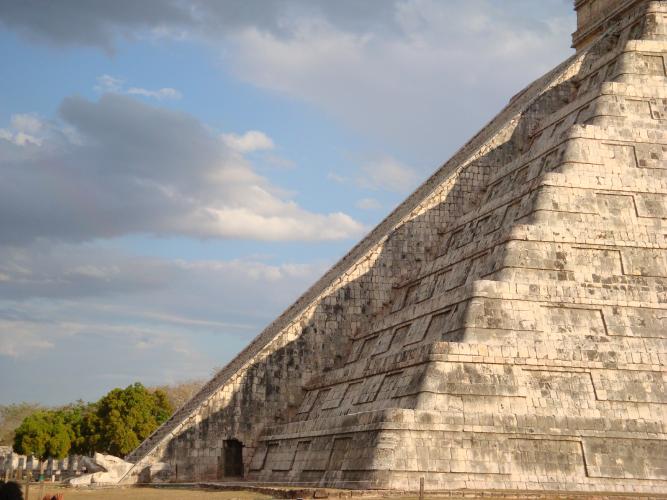
Sobre este recurso
Os links listados abaixo compartilham detalhes e fornecem localizações de vários sítios arqueológicos, artefatos ou histórias que podem estar associadas ao Livro de Mórmon, seu povo e seus descendentes. Além disso, também são fornecidos locais e artefatos que dão suporte indireto adicional à história do Livro de Mórmon, como evidências associadas a outros viajantes hebreus pré-colombianos para os continentes americanos.
Explore a Arqueologia do Livro de Mórmon
-
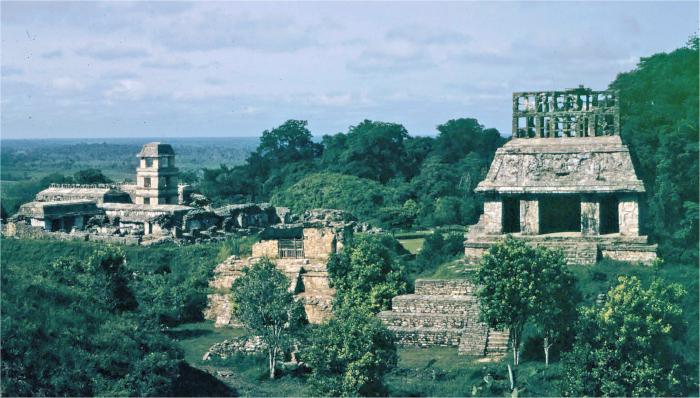
Glifos “E aconteceu”
-
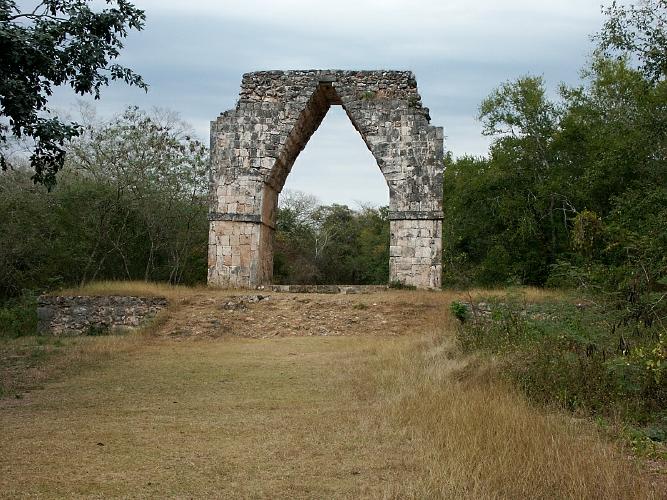
Arco em Kabah
-
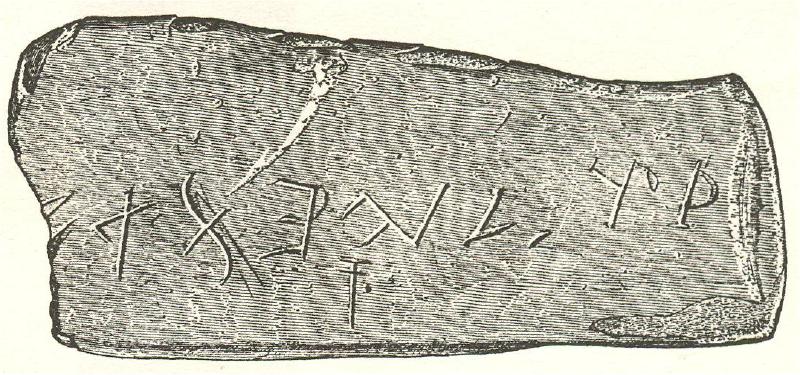
Inscrição de Bat Creek
-
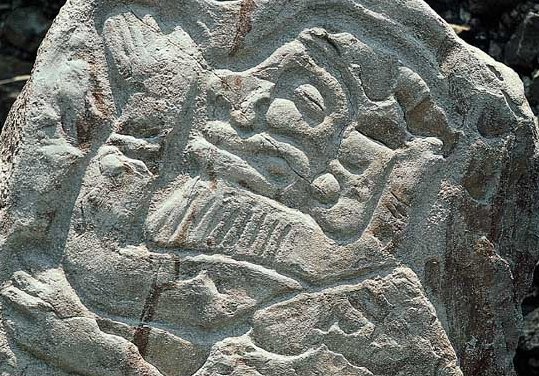
Homens Barbudos Esculpidos em Pedra
-
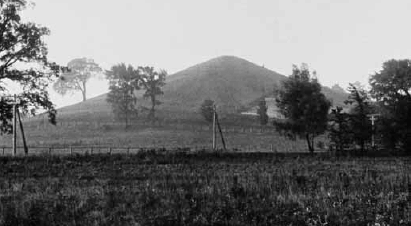
Placas do Livro de Mórmon
-
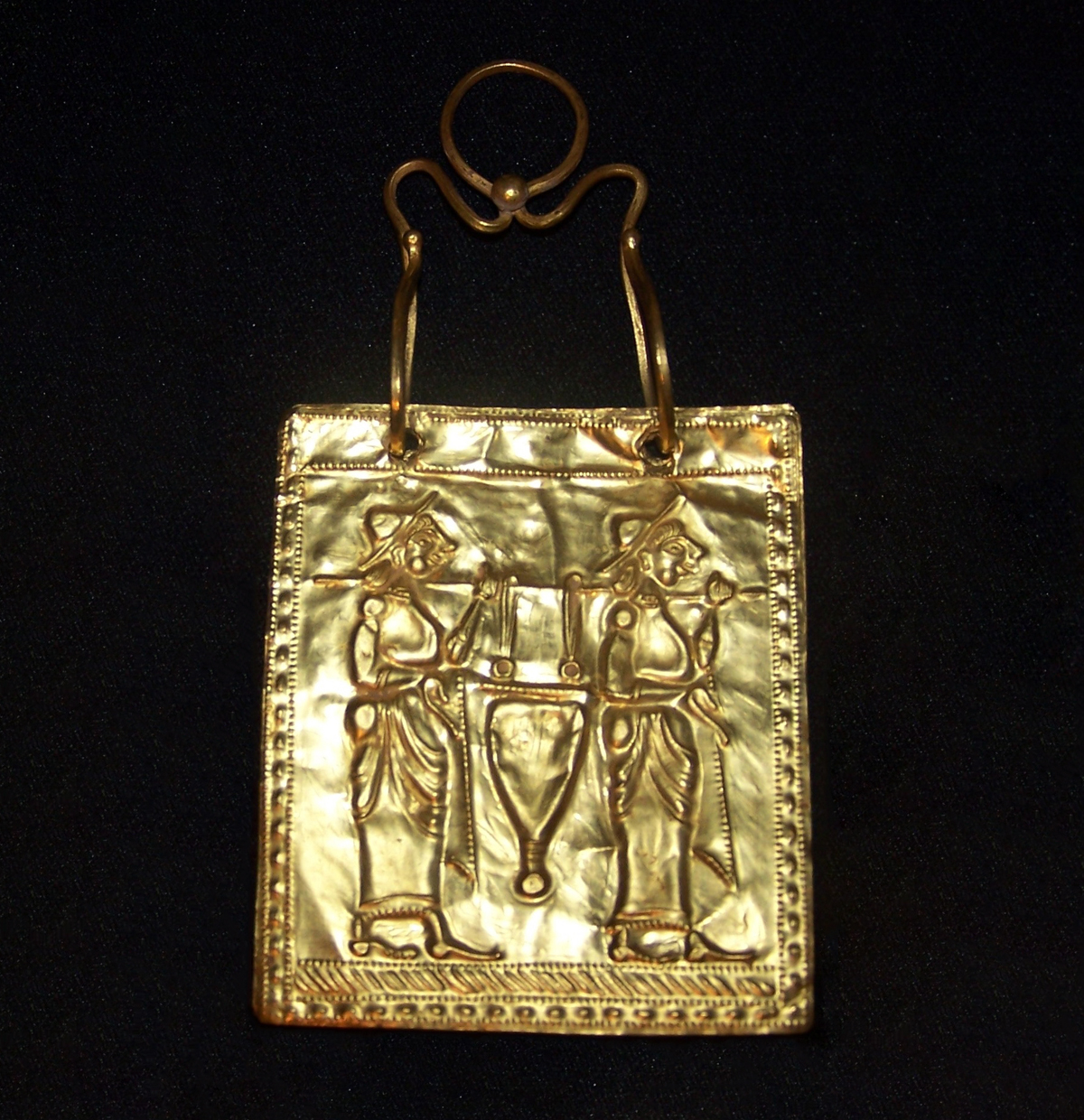
Reserve em placas de ouro na Bulgária
-
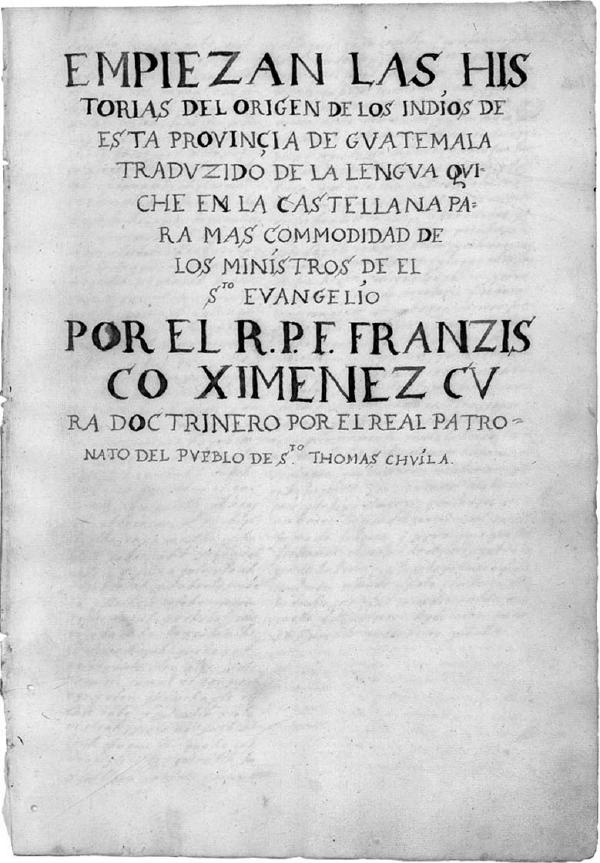
Livros com caracteres hebraicos
-
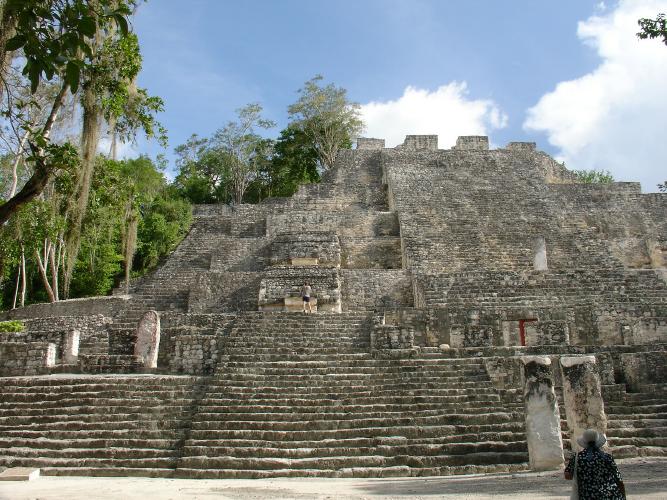
Calakmul
-
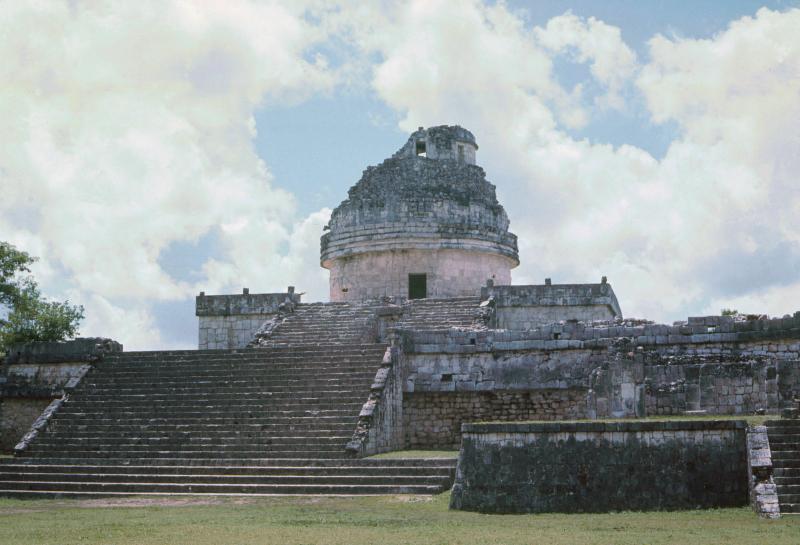
Observatório do Caracol
-
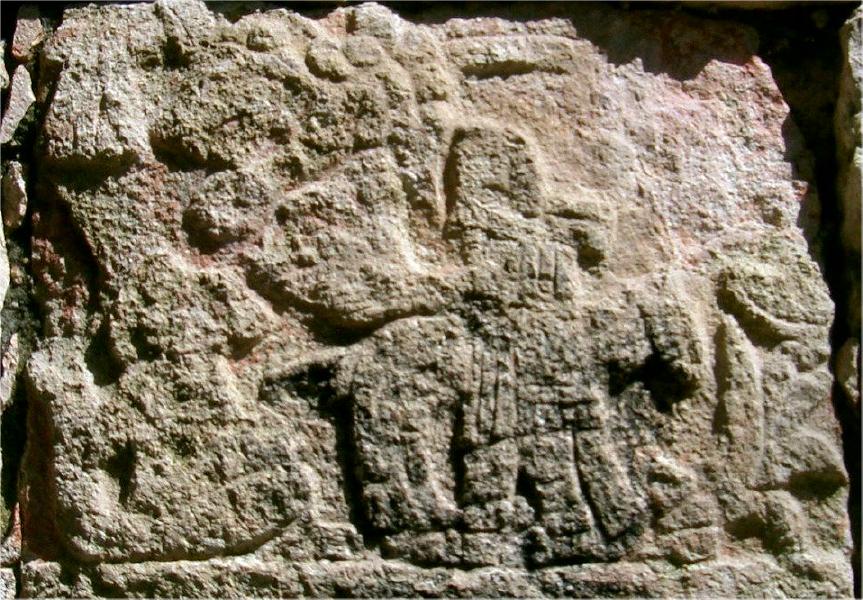
Escultura de Cavaleiro a Cavalo
-
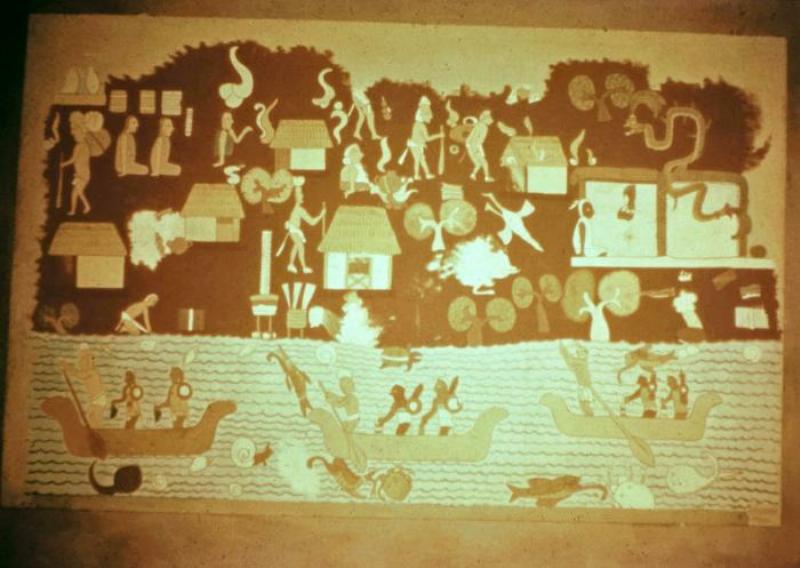
Murais brancos e de pele escura de Chichen Itza
-
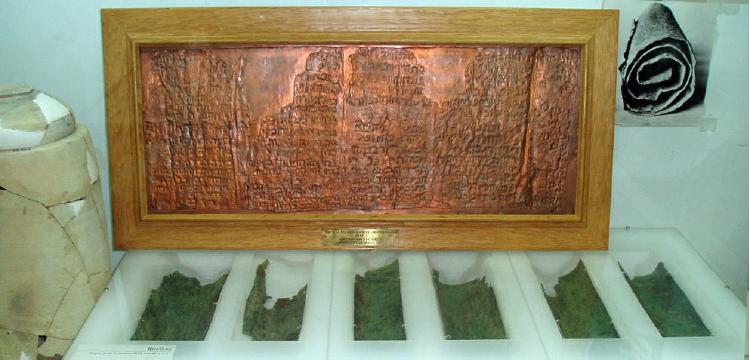
Pergaminho de Cobre
-
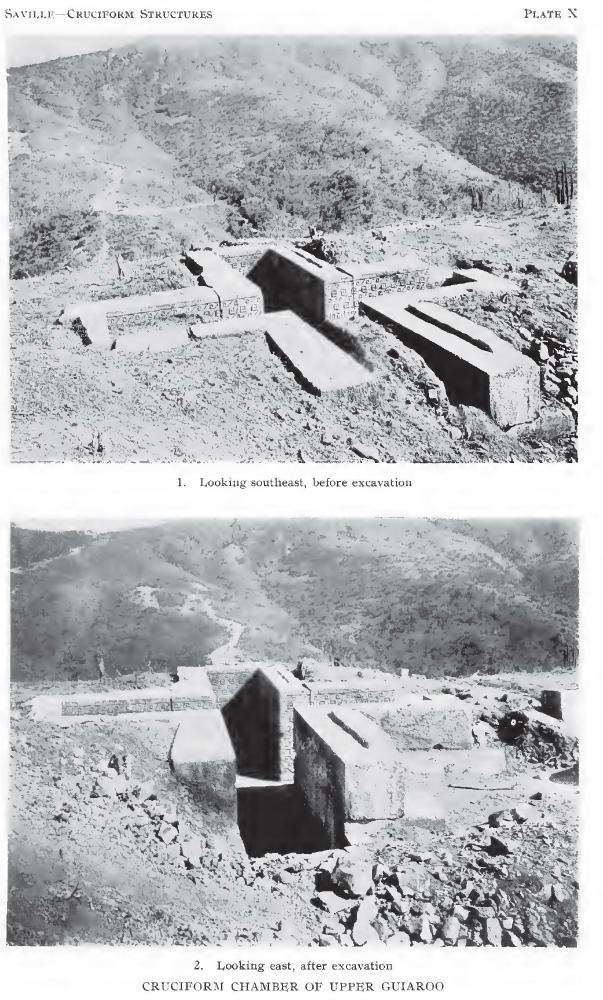
Túmulo cruciforme (cruz) em Mitla
-

Placas de Dario
-
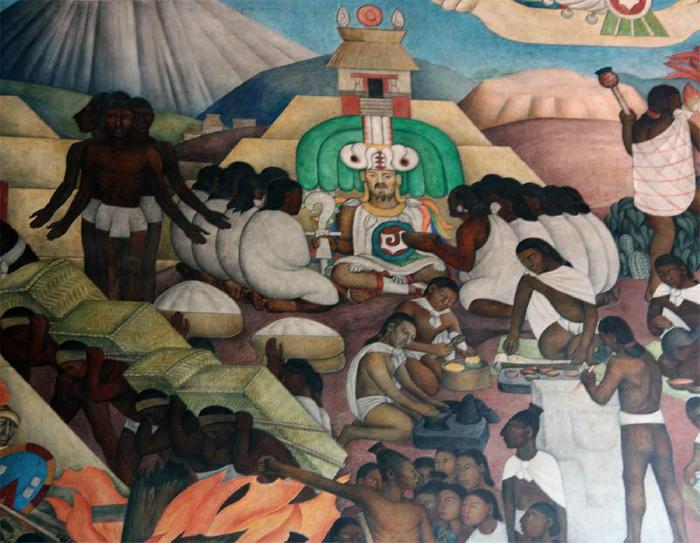
Mural de Quetzalcoatl de Diego Rivera
-
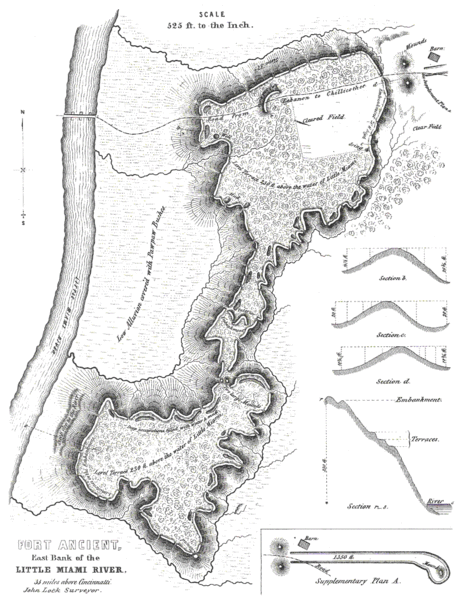
Forte Antigo
-
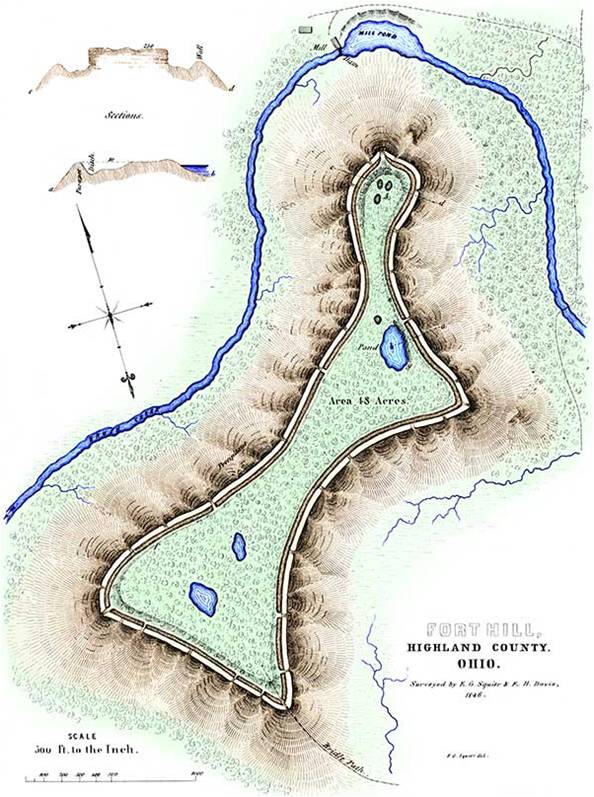
Colina do Forte
-
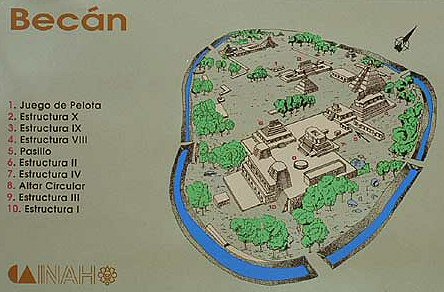
Cidade Fortificada de Becan
-
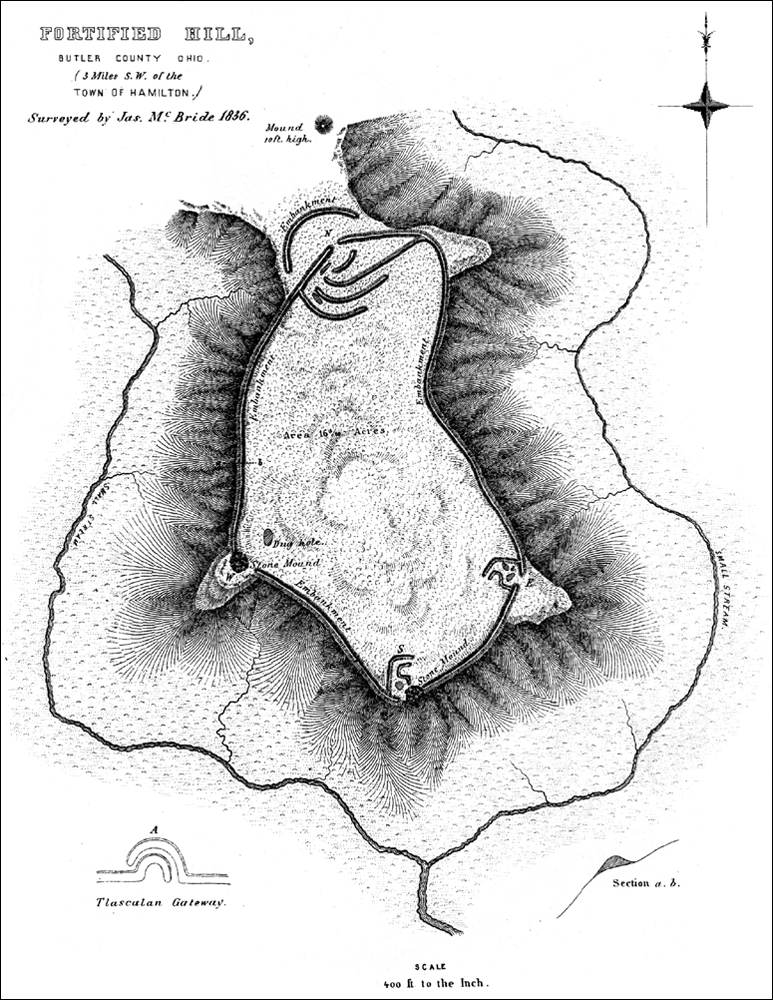
Colina Fortificada
-
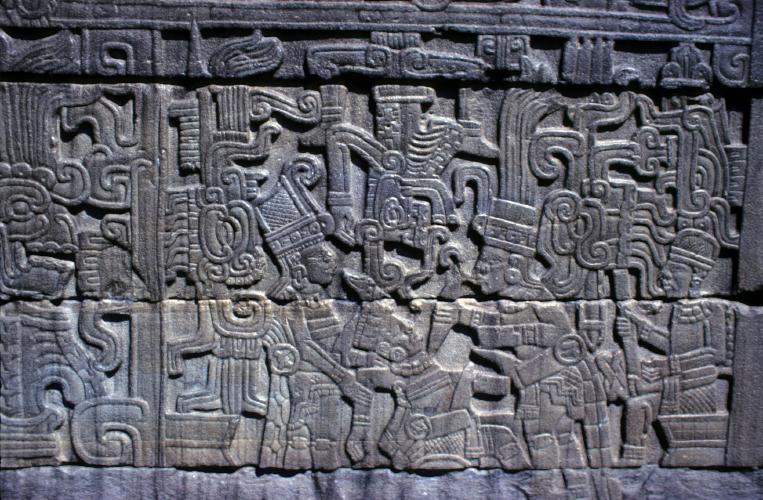
Sacrifício Humano em El Tajin
-
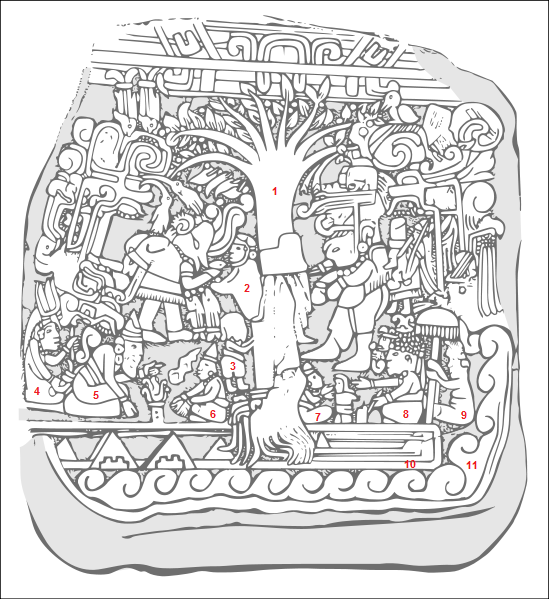
Estela Izapa #5
-
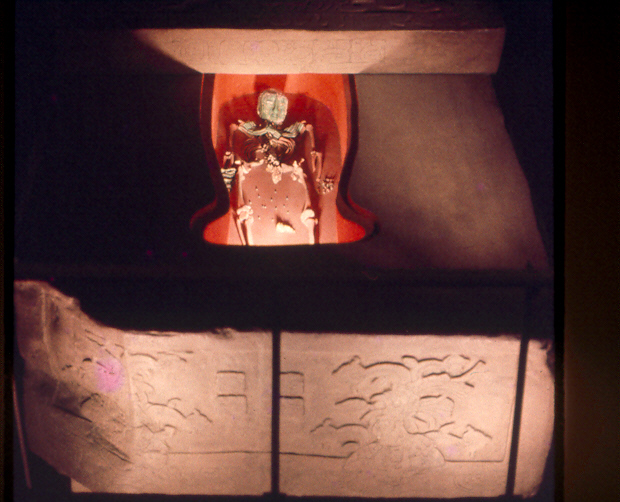
Tampa do Sarcófago do Rei Pacal
-
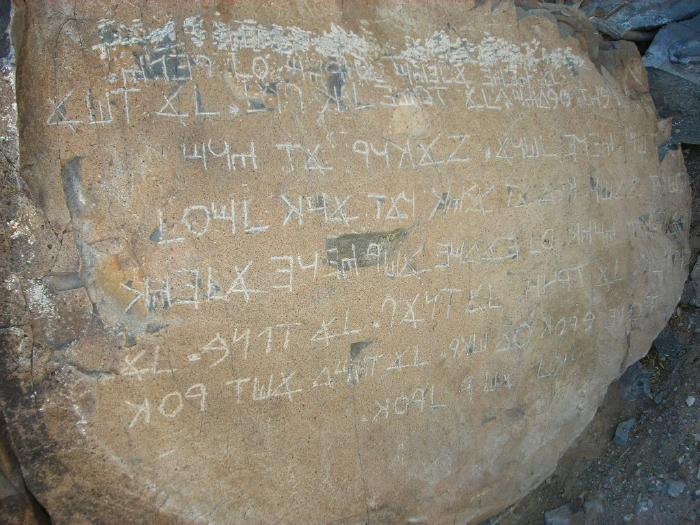
Pedra do Decálogo Los Lunas
-
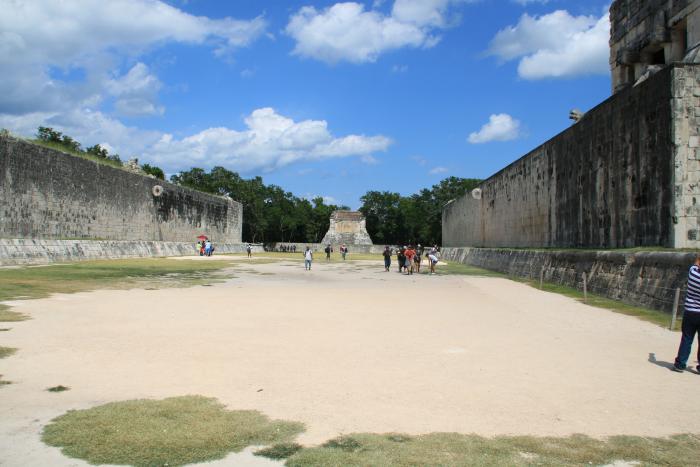
Flores de lótus na quadra de bola de Chichen Itza
-
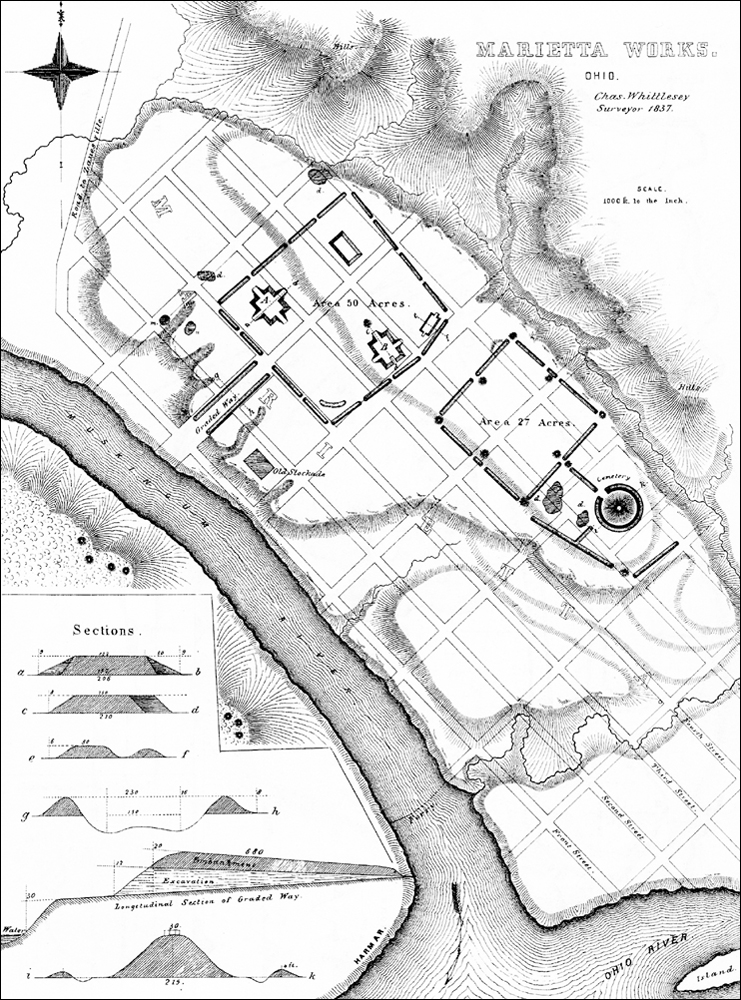
Montes do Templo de Marietta
-
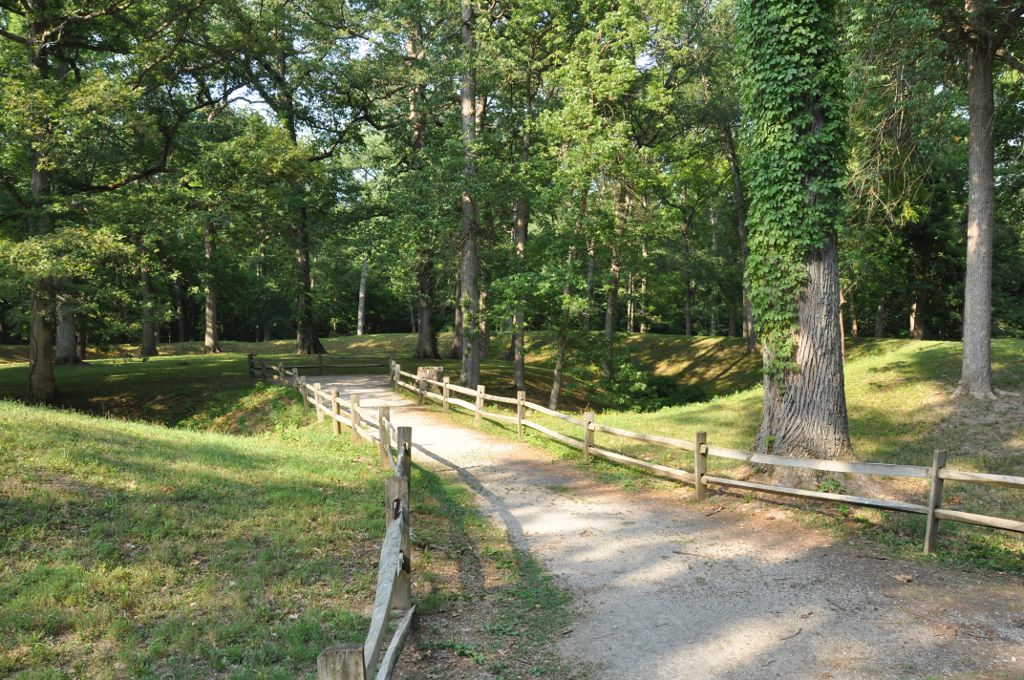
Parque Estadual de Montes
-
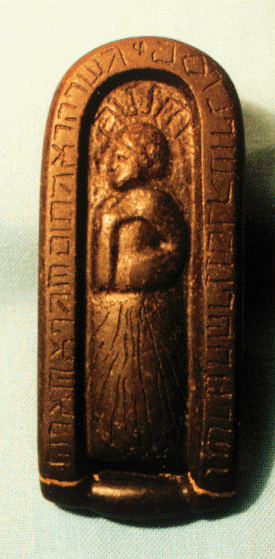
Pedra do Decálogo de Ohio
-
Lugar de Naom
-
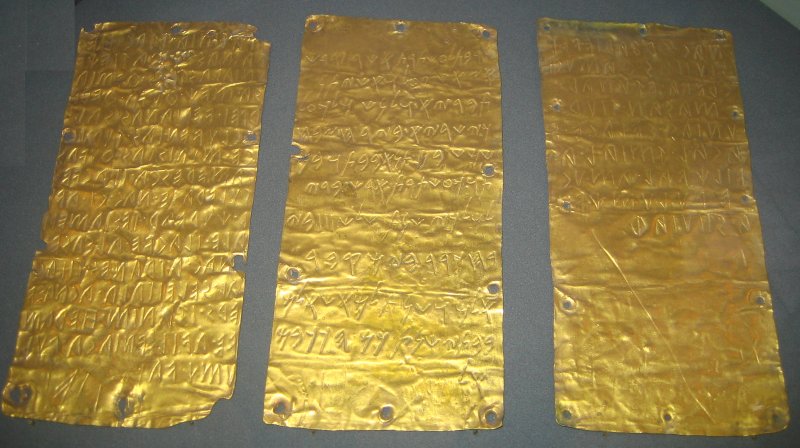
Comprimidos de Pyrgi
-
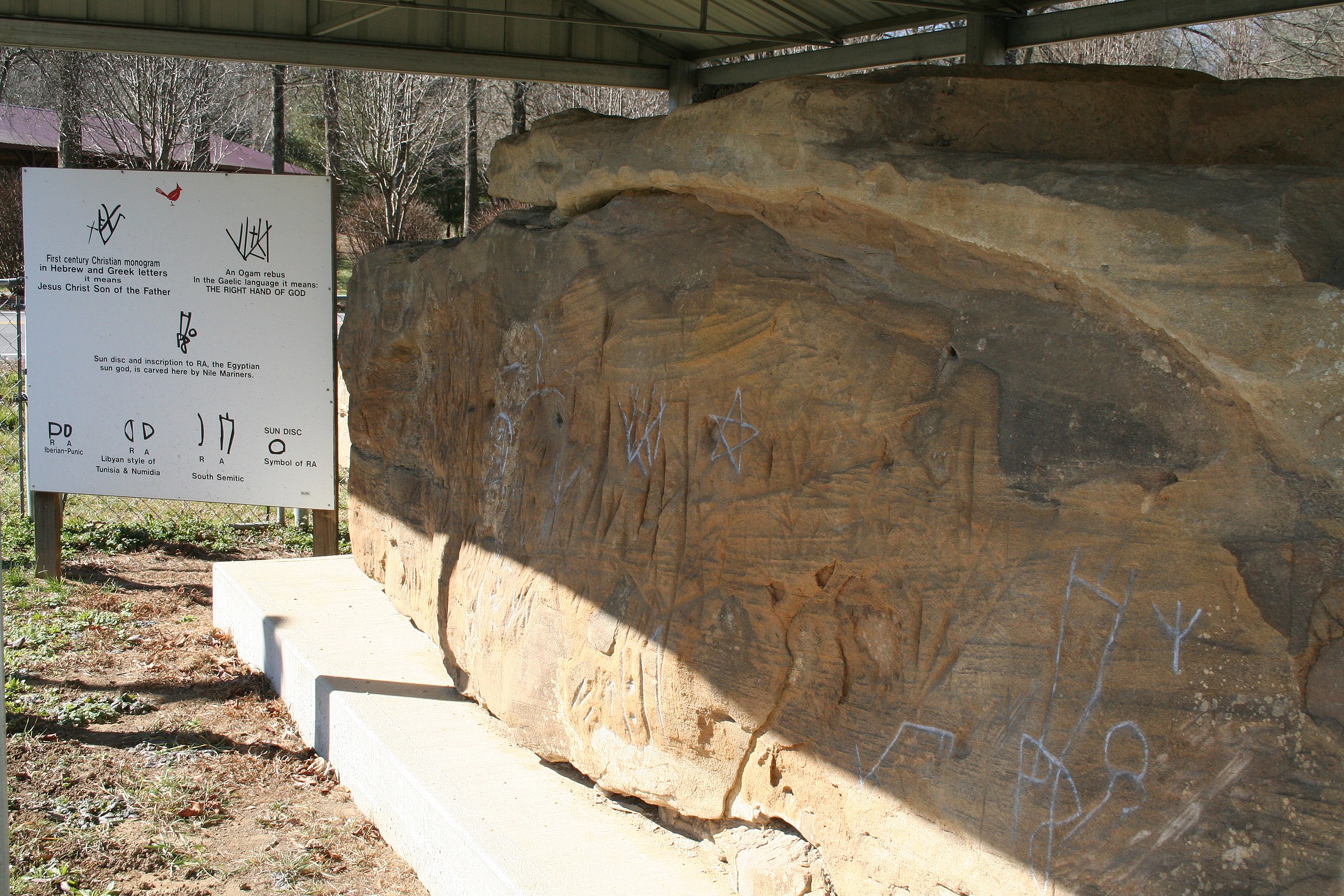
Pedra Petroglífica do Pássaro Vermelho
-
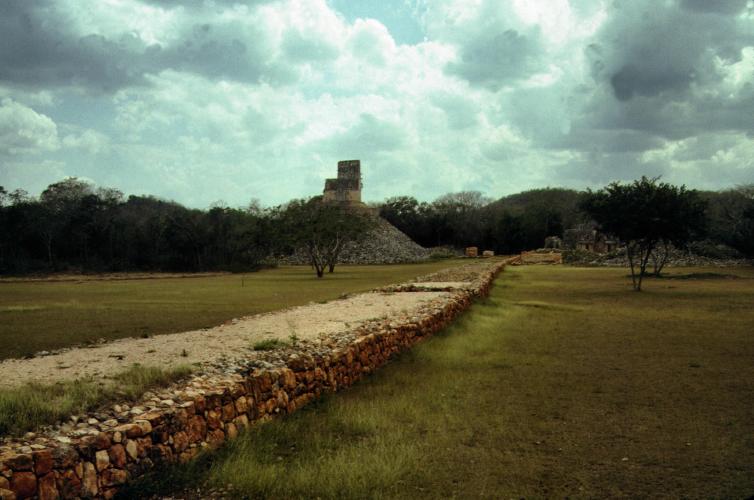
Sac-be (Estrada Branca)
-
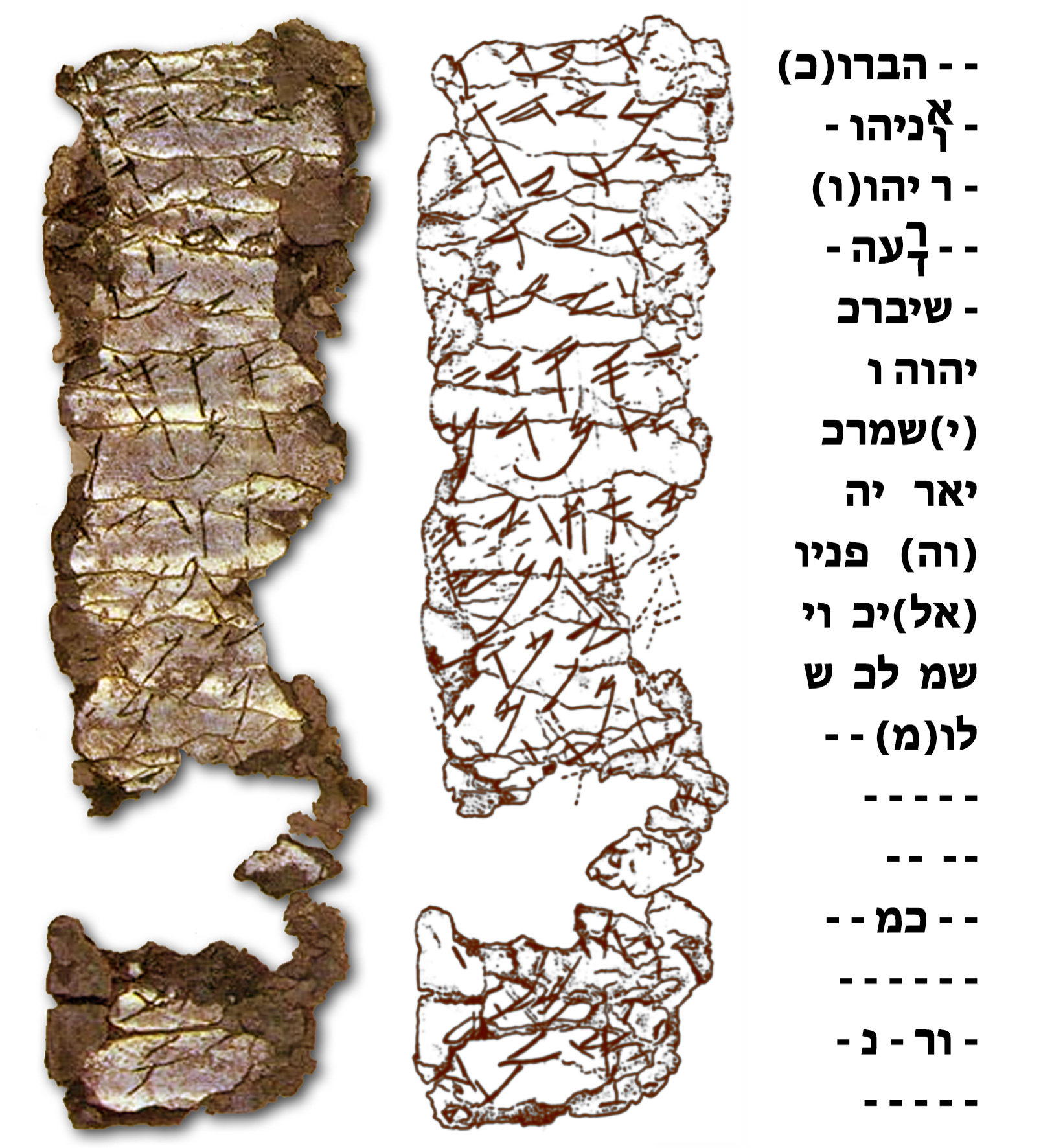
Pergaminhos de Prata
-
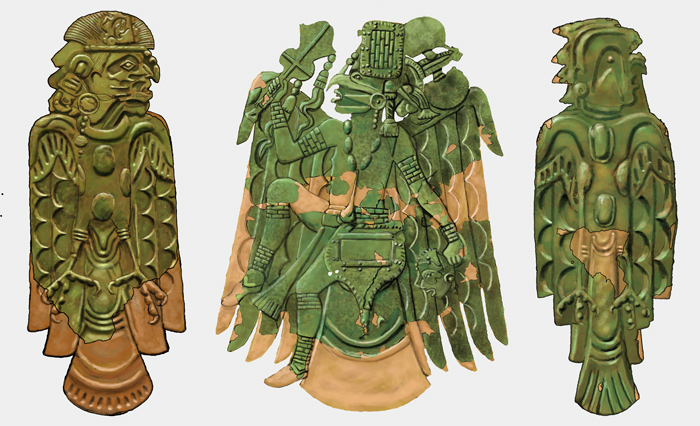
Montes Spiro
-
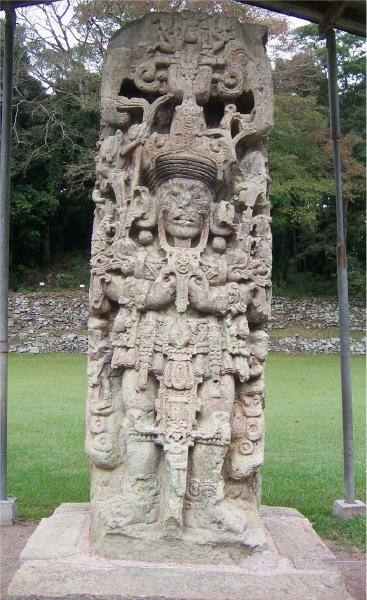
Estela B em Copan
-
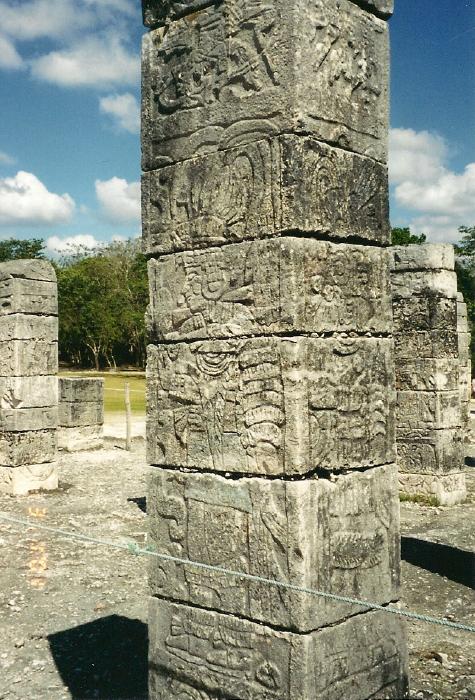
Estela no Templo dos Guerreiros
-
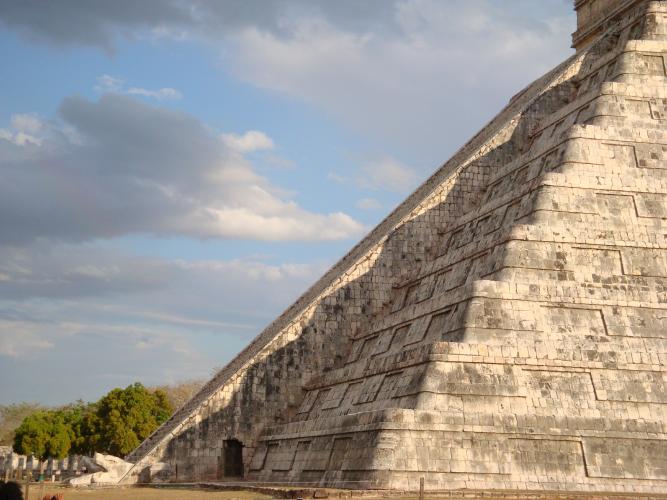
Templo de Kukulcán
-
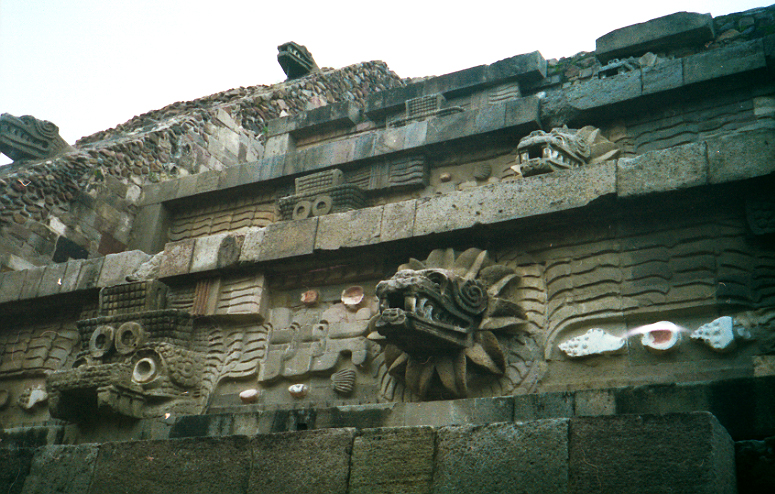
Templo de Quetzalcoatl
-
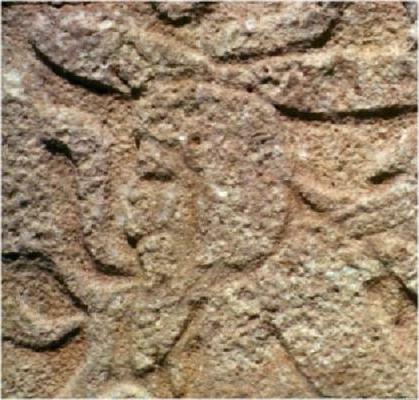
Templo do Homem Barbudo
-
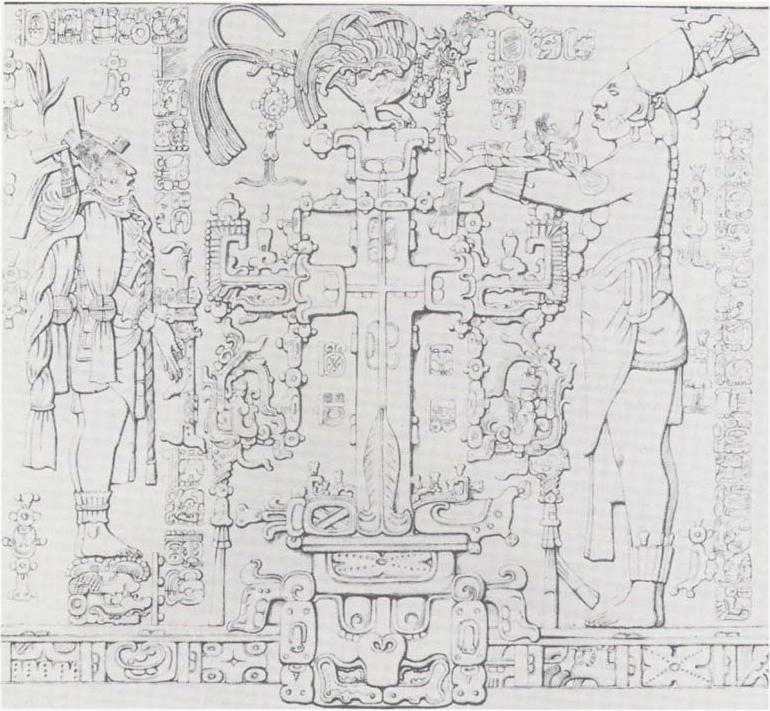
Templo da Cruz
-
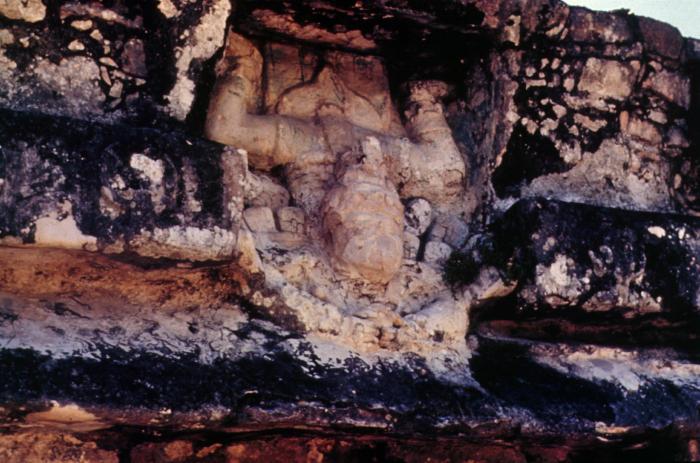
Templo do Deus Descendente
-
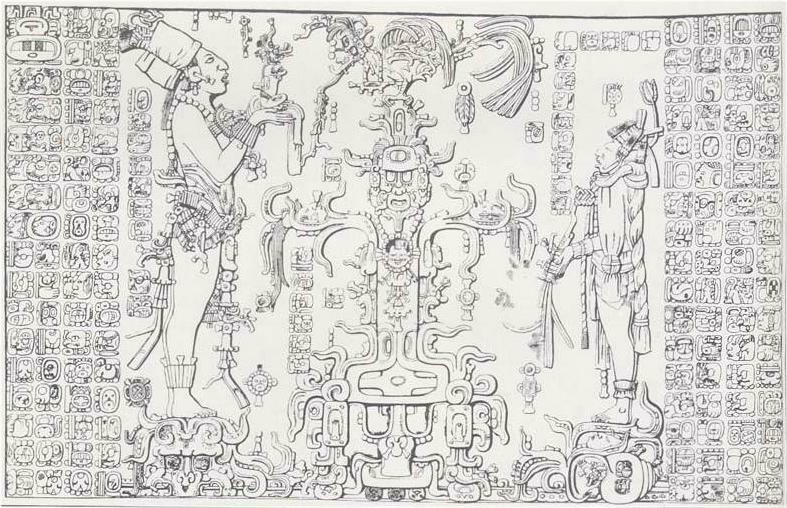
Templo da Cruz Folheada
-
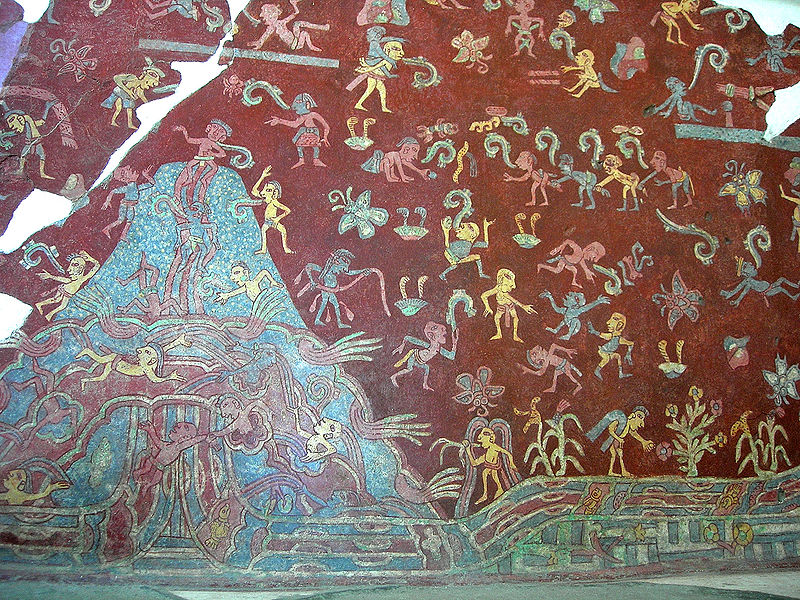
Mural Tepantitla de pele branca e escura
-
A Pedra Paraíba
-
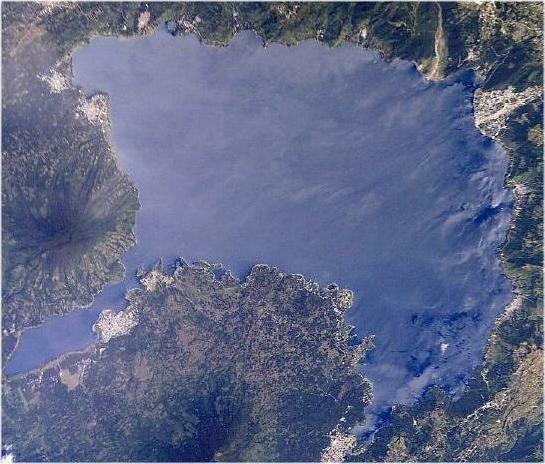
Cidade Subaquática de Samabaj
-
Yaxchilan Lintel 2
-
Local da cidade de Yuchi
Arqueologia e Fé
Considere as seguintes citações
From A Book of Mormon Companion: Witnesses to its Validity – “This is not to be construed to mean that archaeological, historical or geographical data can prove the validity of the Book of Mormon. The beautiful spiritual lessons, the powerful revelation of Jesus Christ and the marvelous words of prophecy which speak to our very day are matters of faith, not to be enhanced by the spade of the archaeologist. The book, itself, declares that it will go forth among the children of men to “try” their faith. In this, it is exactly as the Holy Bible.” [2]
From Biblical Archeological Review – “Ultimately, the Bible is not history, but rather an account of God’s miraculous intervention in human history. Whether one accepts this premise, the Bible’s central claim is personal, not a scholarly matter. Archaeology never sought to make a convert of a non-believer, nor surely ever did so. Nothing could be clearer evidence of the modern lack of faith than our exaggerated expectations and demands for archaeological ‘proof’! We may or may not someday be able to demonstrate that all the events recorded in the Bible did or did not take place, but in the end it matters very little. Claims for truth of a higher order are simply not amenable to historical or archaeological investigation; nor do they benefit by historical or archaeological confirmation. These are, in the end, matters of faith.” [3]
O cenário geográfico do Livro de Mórmon:
Versículos do Livro de Mórmon retirados da Edição Independence de 1990, publicada pela Igreja de Cristo.
No entanto, você vê que os gentios que saíram do cativeiro e foram elevados pelo poder de Deus acima de todas as outras nações na face da terra, que é escolhida acima de todas as outras terras, que é a terra que o O Senhor Deus fez convênio com teu pai de que sua descendência teria a terra de sua herança;”
1 Néfi 3:176-177
A terra da América do Norte (herdada pelos gentios) é a mesma que foi dada à família de Leí.
Considere o que o anjo Morôni disse a Joseph Smith:
“He said there was a book deposited written upon gold plates, giving an account of the former inhabitants of this continent, and the source from whence they sprang.” (Times and Seasons, Vol. 3, No. 13, May 1842)
O continente da América do Norte é a terra dos povos do Livro de Mórmon.
Referências Geográficas no Texto do Livro de Mórmon
(Versículos do Livro de Mórmon retirados da Edição Independence de 1990, publicada pela Igreja de Cristo.)
Alma 13:68-80 – And it came to pass that the king sent a proclamation throughout all the land, amongst all his people which were in all his land, which were in all the regions round about, which was bordering even to the sea, on the east, and on the west, and which was divided from the land of Zarahemla by a narrow strip of wilderness, Which ran from the sea east, even to the sea west, and round about on the borders of the seashore, and the borders of the wilderness which was on the north, by the land of Zarahemla, through the borders of Manti, by the head of the river Sidon, running from the east towards the west; and thus were the Lamanites and the Nephites divided. Now the more idle part of the Lamanites lived in the wilderness, and dwelt in tents; and they were spread through the wilderness, on the west, in the land of Nephi; Yea, and also on the west of the land of Zarahemla, in the borders, by the seashore, and on the west, in the land of Nephi, in the place of their fathers’ first inheritance, and thus bordering along by the seashore. And also there were many Lamanites on the east by the seashore, whither the Nephites had driven them. And thus the Nephites were nearly surrounded by the Lamanites; Nevertheless the Nephites had taken possession of all the northern parts of the land, bordering on the wilderness, at the head of the river Sidon, from the east to the west, round about on the wilderness side; on the north, even until they came to the land which they called Bountiful. And it bordered upon the land which they called Desolation: it being so far northward, that it came into the land which had been peopled, and had been destroyed, of whose bones we have spoken, which was discovered by the people of Zarahemla; it being the place of their first landing. And they came from there up into the south wilderness. Thus the land on the northward was called Desolation, and the land on the southward was called Bountiful; it being the wilderness which was filled with all manner of wild animals of every kind; a part of which had come from the land northward, for food. And now it was only the distance of a day and a half’s journey for a Nephite, on the line Bountiful, and the land Desolation, from the east to the west sea; And thus the land of Nephi, and the land of Zarahemla, were nearly surrounded by water; there being a small neck of land between the land northward, and the land southward. And it came to pass that the Nephites had inhabited the land Bountiful, even from the east unto the west sea, And thus the Nephites in their wisdom, with their guards and their armies, had hemmed in the Lamanites on the south, that thereby they should have no more possession on the north, that they might not overrun the land northward; Therefore the Lamanites could have no more possessions only in the land of Nephi, and the wilderness round about.
Alma 15:14 – And it came to pass that they gathered together all their people; yea, all the people of the Lord, and did gather together all their flocks and herds, and departed out of the land, and came into the wilderness which divided the land of Nephi from the land of Zarahemla, and came over near the borders of the land.
Alma 22:6-12 – Thus Moroni did prepare strongholds against the coming of their enemies, round about every city in all the land. And it came to pass that Moroni caused that his armies should go forth into the east wilderness; yea, and they went forth, and drove all the Lamanites which were in the east wilderness into their own lands, which were south of the land of Zarahemla; And the land of Nephi did run in a straight course from the east sea to the west. And it came to pass that when Moroni had driven all the Lamanites out of the east wilderness, which was north of the lands of their own possessions, he caused that the inhabitants which were in the land of Zarahemla, and in the land round about, should go forth into the east wilderness, even to the borders, by the seashore, and possess the land. And he also placed armies on the south, in the borders of their possessions, and caused them to erect fortifications that they might secure their armies and their people from the hands of their enemies. And thus he cut off all the strongholds of the Lamanites, in the east wilderness: yea, and also on the west, fortifying the line between the Nephites and the Lamanites, between the land of Zarahemla and the land of Nephi; from the west sea, running by the head of the river Sidon; The Nephites possessing all the land northward; yea, even all the land which was northward of the land Bountiful, according to their pleasure.
Alma 22:34-35 – Therefore Moroni sent an army, with their camp, to head the people of Morianton, to stop their flight into the land northward. And it came to pass that they did not head them, until they had come to the borders of the land Desolation: and there they did head them, by the narrow pass which led by the sea into the land northward; yea, by the sea, on the west, and on the east.
Alma 24:10 – And he also sent orders unto him, that he should fortify the land bountiful, and secure the narrow pass which led into the land northward, lest the Lamanites should obtain that point, and should have power to harass them on every side.
Alma 30:6 – And it came to pass that Hagoth, he being an exceeding curious man, therefore he went forth, and built him an exceeding large ship, on the borders of the land Bountiful, by the land Desolation, and launched it forth into the west sea, by the narrow neck which led into the land northward.
3 Nephi 2:32 – And the land which was appointed was the land of Zarahemla and the land which was between the land of Zarahemla and the land Bountiful; yea, to the line which was between the land Bountiful and the land Desolation;
Mormon 1:69 – And it came to pass that I did cause my people that they should gather themselves together at the land Desolation, to a city which was in the borders, by the narrow pass which led into the land southward.
Observe que a terra como existe hoje pode ser geograficamente bem diferente de como era durante a época do Livro de Mórmon, após a crucificação de Cristo:
3 Néfi 4:14 – “E assim a face de toda a Terra ficou deformada por causa das tempestades e dos trovões e dos relâmpagos e dos tremores da Terra.”
Referências
- McIndoo (1994, pp. 6-7)
- McIndoo (1994, p. 3)
- Dever (1990, pp. 57-58)
- Goetz e Morley (1950, p. 110)
- Gardner (1986, p. 14)
- Honoré (1964, p. 55)
- Verril (1938, p. 180)
- McIndoo (1994, p. 35)
- Warren (1987, p. 74)
- Warren (1987, p. 87)
- Gordon (1974, p. 45)
- Hansen (1963, pág. 48)
- Irwin (1963, pág. 166)
- Acordo (2005, p. 2)
- Maler (1901, pp. 164-165)
- McCulloch (1997)
- Mesoweb (2011)
- McIndoo (1994, p. 64)
- McIndoo (1994, p. 81)
- McIndoo (1994, p. 89)
- McIndoo (1994, p. 103)
- Honoré (1964, p. 96)
- Sullivan (2010)
- McIndoo (1994, p. 145)
- Gardner (1986, p. 228)
- Tratar (1984, p. 26)
- Nobre (1982, p. 77)
- Garrett (1989, p. 440)
- Saville (1909)
- Notícias da BBC (2003)
- Prostituta (1990, p. 346)
- Tomás (1890, Figura 7)
- Cheesman (1985, p. 32)
- Pesquisa do Livro de Mórmon (2011)
- Welch (2006)
- Yudkin (2005, 2009)
- Anônimo (1968, p. 62)
- Whittal (2011)
- Wellington (2006)
- Fundação Maya Relief (2005-2007)
- Thorton (2011)
- Wikipedia (2016), Parque Estadual de Mounds
- Wikipedia (2016), Fortified Hill Works
- Squire e Davis (1847, p. 16-18)
- Sistema de Preservação do Arco dos Apalaches (2016)
- Universidade Estadual de Ohio (2011)
- Wikipedia (2016), Forte Antigo
- Squire e Davis (1847, p. 20-21)
- Escudeiro (1860, p. 171-172)
Recursos consultados
- Anonymous (May 24, 1968), “Archaeology: Before Columbus or the Vikings,” Time. Retrieved June 11, 2011, from http://www.time.com/time/magazine/article/0,9171,844460,00.html.
- Arc of Appalachia, “Fort Hill”. Retrieved January 17, 2016, from http://arcofappalachia.org/fort-hill/.
- BBC News (2003), “Unique book goes on display”. Retrieved April 25, 2011, from http://news.bbc.co.uk/2/hi/europe/2939362.stm.
- Book of Mormon Research, “Korean Diamond Sutra”. Retrieved May 29, 2011, from http://bookofmormonresearch.org/metal-records/far-east/korean-diamond-sutra.
- Cheesman, Paul R. (1985), Ancient Writing on Metal Plates: Archaeological Findings Support Mormon Claims, Boutiful, Utah: Horizon Publishers & Distributors, Incorporated.
- Deal, David Allen (2005), “The OHIO DECALOGUE: Its Origins in Eastern Anatolia at Mt. Mashu, the Landing Place of Noah’s Ark,” Ancient American: Archaeology of the Americas Before Columbus, volume 10, number 65, Colfax, Wisconsin.
- Dever, William G. (May-June 1990), “Archaeology and the Bible,” Biblical Archaeology Review.
- Gardner, Joseph L. (Editor) (1986), Mysteries of the Ancient Americas, Pleasantville, Nova York: Readers Digest.
- Garrett, Wilbur (Ocbober 1989), “La Ruta Maya”, National Geographic.
- Goetz, Delia & Morley, Sylvanus (1950), Popol Vuh: The Sacred Book of the Ancient Quiche Maya, Norman: University of Oklahoma Press.
- Gordon, Cyrus H. (1974), Riddles in History, Nova York: Crown Publishers, Inc.
- Hansen, L. Taylor (1963), Ele caminhou pelas Américas, Amherst, Wisconsin: Amherst Press.
- Honore, Pierre (1964), In Quest of the White God, New York: G.P. Putnam’s Sons.
- Hooker, JT (1990), Lendo o Passado: Escrita Antiga do Cuneiforme ao Alfabeto, Grã-Bretanha: The Bath Press.
- Irwin, Constance (1963), Fair Gods and Stone Faces, New York: St. Martin’s Press.
- Maler, Teobert (1901), “Researches in the Central Portion of the Usumatsintla Valley,” Memoirs, Peabody Museum of Harvard University, volume 2, number 1, Cambridge.
- Maudsley, AP (1889-1902), Biologia Centrali-Americana. 4 vols., texto e placas.
- Maya Relief Foundation (2005-2007), “Lake Atitlan, Maya Archaeology.” Retrieved June 12, 2011, from http://www.mayarelief.com/category/site-projects/maya-archeology/lake-atitlan/.
- McCulloch, J. Huston (1997), “The Los Lunas Decalogue Stone”. Retrieved April 20, 2011, from http://economics.sbs.ohio-state.edu/jhm/arch/loslunas.html.
- McIndoo, Donald (1994), Um Companheiro do Livro de Mórmon: Testemunhas de sua Validade, Independence, Missouri: The Board of Publications, Igreja de Cristo (Temple Lot).
- Mesoweb, Pre-Columbian Art Research Institute, & Merle Greene Robertson (2011), “Palenque”. Retrieved April 20, 2011, from http://www.mesoweb.com/palenque/monuments/PT/EF.html, http://www.mesoweb.com/palenque/monuments/PT/GH.html, http://www.mesoweb.com/palenque/monuments/PT/IJ.html, http://www.mesoweb.com/palenque/monuments/PT/OP.html, & http://www.mesoweb.com/palenque/monuments/PT/QR.html.
- Noble, Iris (1982), Tingambato, Nova York: Julian Messner.
- Ohio State University (2011), “Fort Hill Earthwork – Highland County”. Retrieved January 17, 2016 from http://ocvn.osu.edu/places/fort-hill-earthwork-highland-county.
- Saville, Marshall H. (1909), As Estruturas Cruciformes de Mitla e Vizinhança, Nova York: Universidade de Columbia.
- Squire, EG (1860), “Monumentos Antigos nos Estados Unidos, Terceiro Artigo”. Da Harper's New Monthly Magazine, Volume 21, junho a novembro de 1860, Nova York: Harper & Brothers Publishers.
- Sullivan, Mary Ann (2010), “Mural: The Legend of Quetzalcoatl, Palacio Nacional de Mexico”. Retrieved April 22, 2011, from http://www.bluffton.edu/~sullivanm/mexico/mexicocity/rivera/quetza.html.
- Thomas, Ciro (1890). Os Cherokees nos tempos pré-colombianos, Hodges, Nova York, NDC.
- Thorton, Richard (2011). “Was there an ancient ‘lost civilization’ in Cuba?”. Retrieved January 7, 2016, from http://archaeologynewsnetwork.blogspot.com/2011/05/was-there-ancient-lost-civilization-in.html.
- Treat, Raymond C. (1984), “Becan: A Dramatic Validation of a Book of Mormon Warfare Pattern,” Recent Book of Mormon Developments, Independence, MO: Zarahemla Research Foundation.
- Verrill, A. Hyatt (1938), Old Civilizations of the New World, New York: Tudor Publishing Co.
Warren, Bruce W. & Ferguson, Thomas S. (1987), The Messiah in Ancient America, Provo, Utah: Book of Mormon Research Foundation. - Welch, John W. e Lambert, Kelsey D. (2006), Duas Placas Romanas Antigas, BYU Studies 45, no.
- Wellington, Richard and Potter, George (2006), Lehi’s Trail: From the Valley of Lemuel to Nephi’s Harbor, Journal of Book of Mormon Studies, Volume 15, Number 2. Retrieved January 30, 2014 from http://publications.maxwellinstitute.byu.edu/publications/jbms/15/2/S00007-50bf64ad1b8fe4WellingtonPotter.pdf.
- Whittall, Austin (2011), “The Phoenician inscriptions from Paraiba, Brazil: Second part of the Phoenician inscriptions found in Brazil”. Retrieved June 11, 2011 from http://patagoniamonsters.blogspot.com/2011/03/phoenician-inscriptions-from-paraiba.html.
- Wikipedia (2016), “Mounds State Park”. Retrieved January 10, 2016 from https://en.wikipedia.org/wiki/Mounds_State_Park.
- Wikipedia (2016), “Fortified Hill Works”. Retrieved January 12, 2016 from
https://en.wikipedia.org/wiki/Fortified_Hill_Works. - Yudkin, Gila. (2005, 2009), “Holy Sites: Gila’s Highlights – Let’s see where the Priestly Benediction was found”. Retrieved May 30, 2011, from http://www.itsgila.com/highlightspriestly.htm.
- Wikipedia (2016), “Fort Ancient (lebanon, Ohio)”. Retrieved January 31, 2016 from
https://en.wikipedia.org/wiki/Fort_Ancient_(Lebanon,_Ohio).